Processes · 6 November 2026
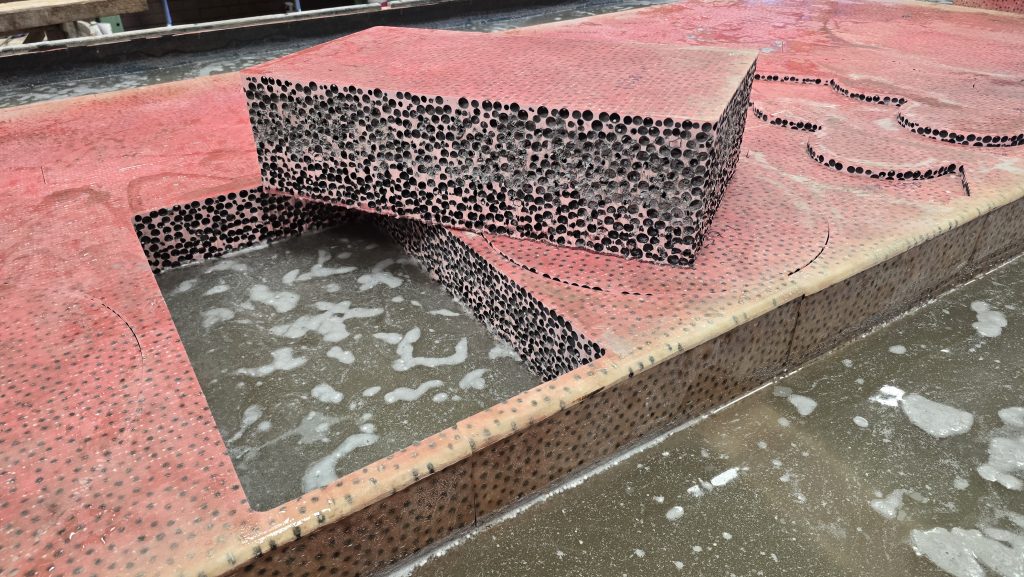
Waterjet vs plasma cutting for steel plate
Plasma is quick and cheap on mild steel plate. Waterjet is slower but cold, more accurate, and cuts far more than metal. When each one is worth paying for.
Processes · 4 November 2026
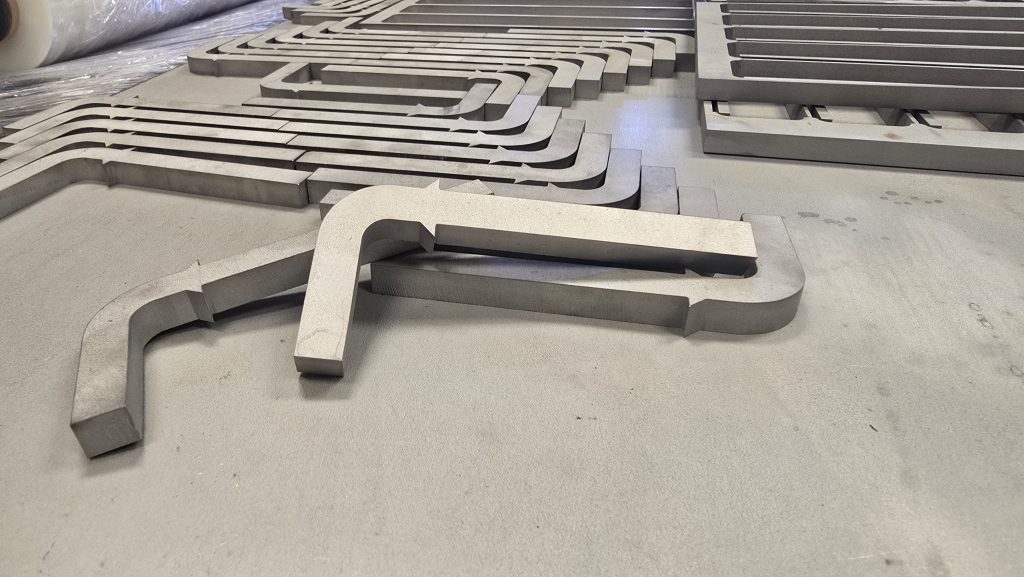
Waterjet vs laser cutting: which one suits your part
Laser is fast on thin sheet. Waterjet cuts cold, cuts almost any material, and handles thick plate. How to tell which one your part needs.
Processes · 2 November 2026
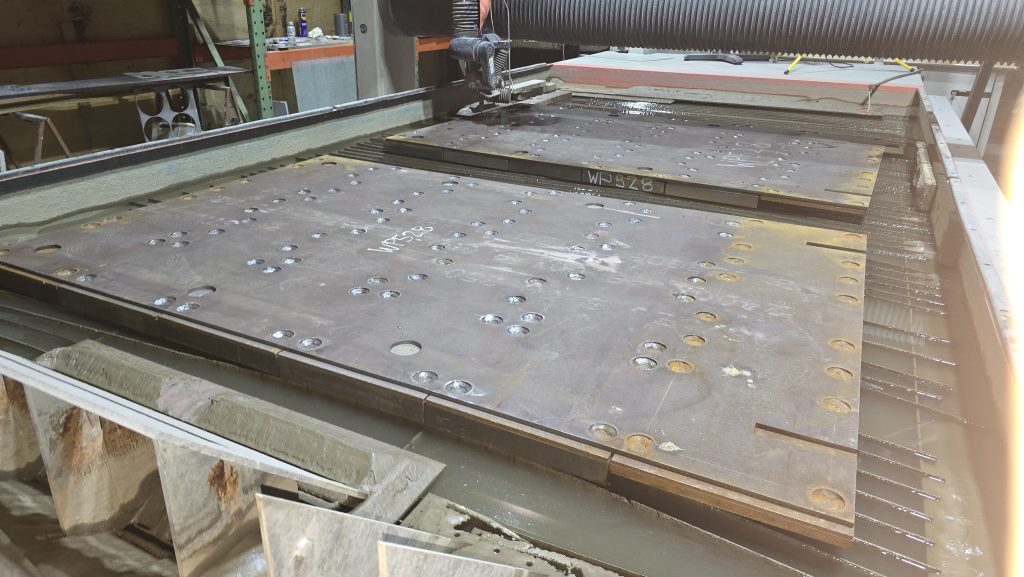
Waterjet vs CNC milling: profile first, machine second
Milling a flat profile from solid plate is slow and wasteful. Waterjet cuts the outline; the mill adds the features a 2D cut cannot. How we split a part between them.
Processes · 18 October 2026
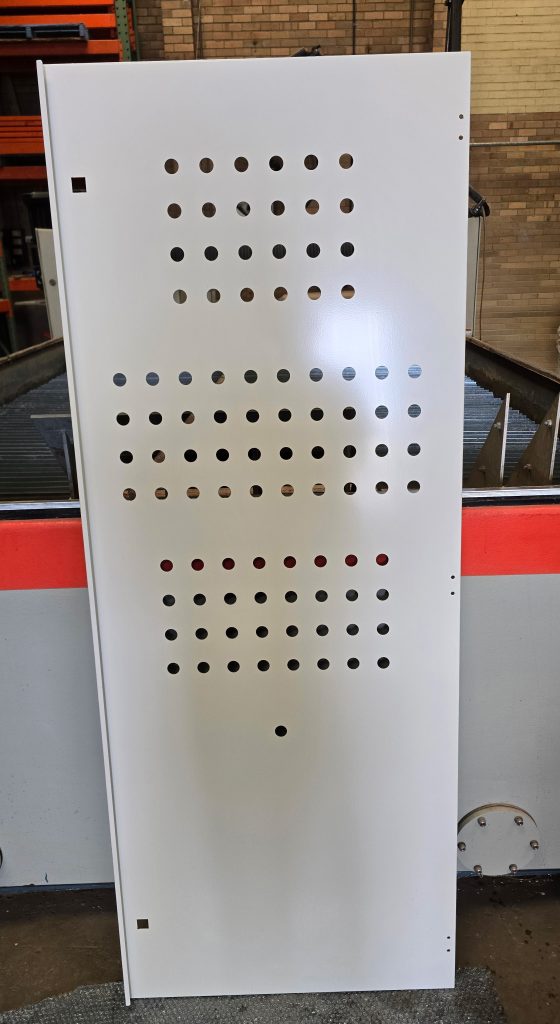
Waterjet vs oxy cutting for thick plate and wear plate
Oxy-fuel is the traditional way to cut very thick carbon steel. On wear plate and parts that must stay flat, its heat is the problem. Where each process belongs.
Processes · 25 September 2026
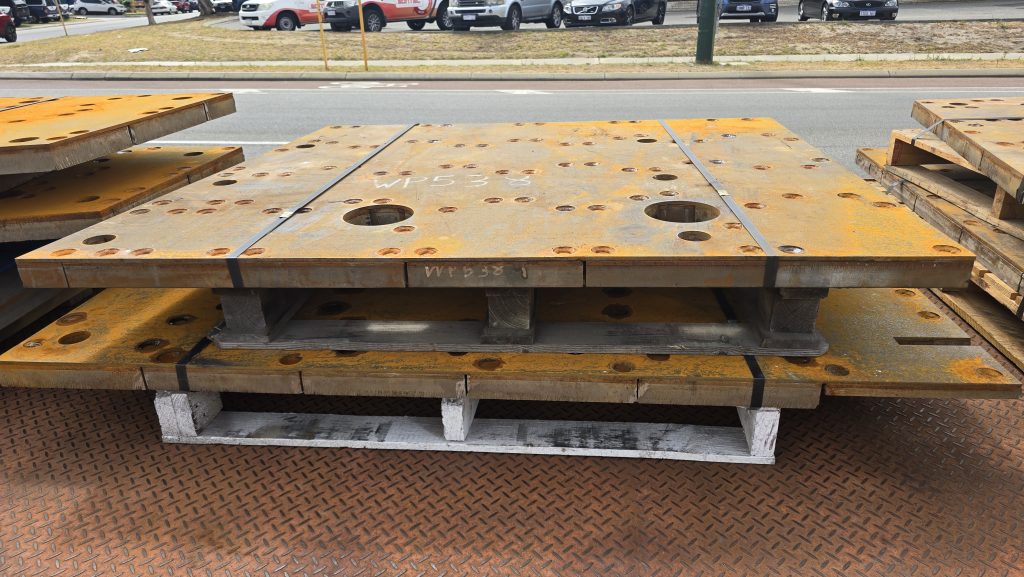
Waterjet vs wire EDM: when each one is the right tool
We run both in the Osborne Park workshop. Wire EDM wins on fine accuracy in conductive metal; waterjet wins on size, speed, and material range. Often a part uses both.
Quoting · 18 June 2026
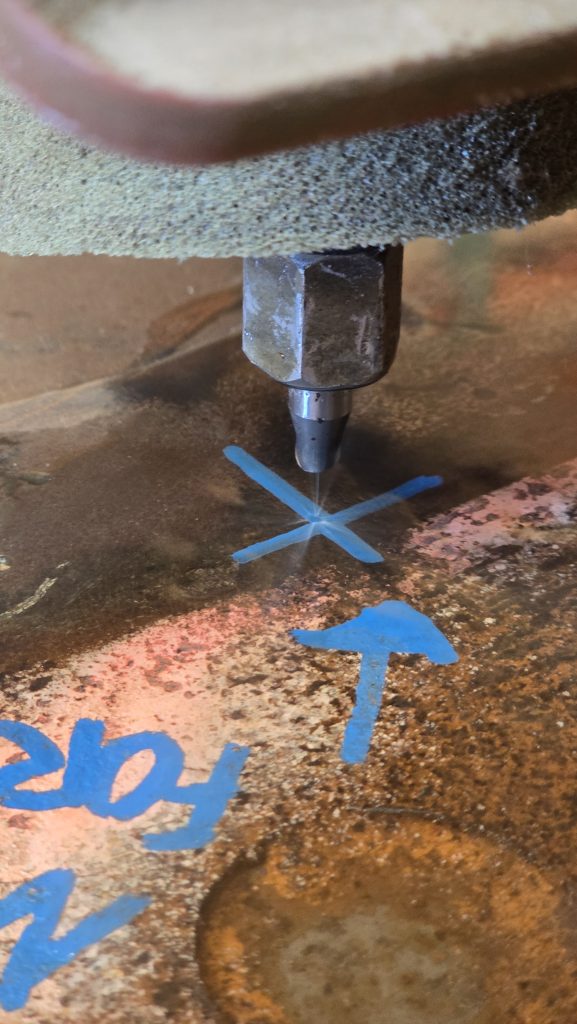
What the drawing should say before it is quoted
Put material, thickness, and tolerance on the drawing before you ask for a price.
3D printing · 2 April 2026
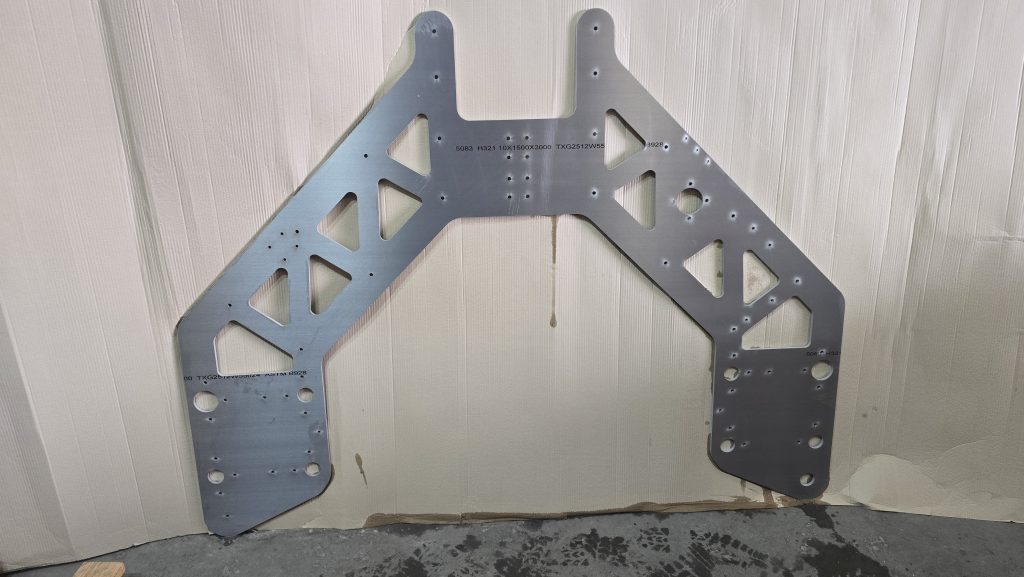
Print the prototype, then cut the plate
Three FDM printers sit in the same Osborne Park workshop as the waterjet. A fit check in plastic can become a nested plate the same week.
Materials · 10 February 2026
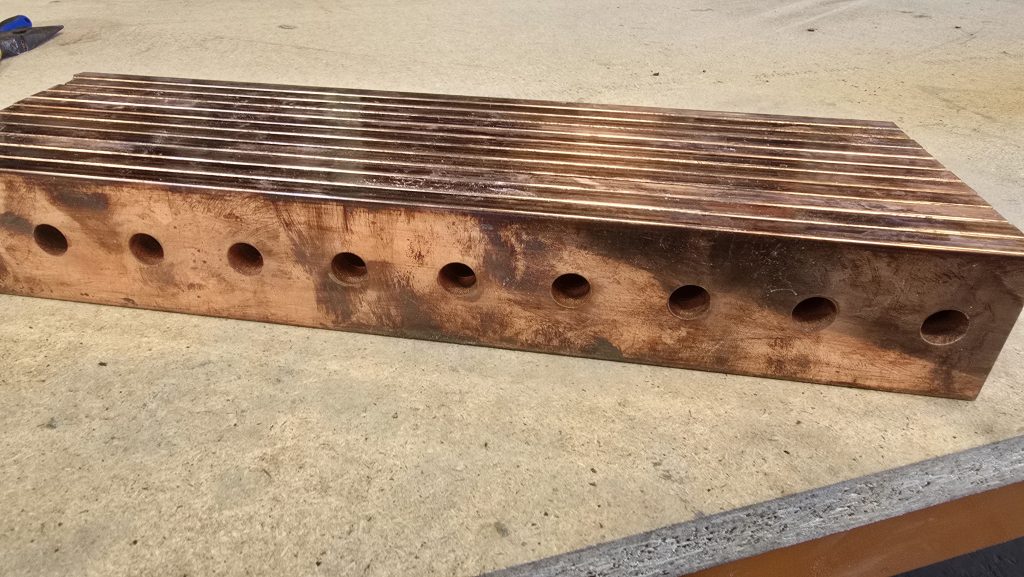
Why rubber, foam, and composites are cut cold
A heat-affected edge ruins a gasket and delaminates a composite. Waterjet leaves the sheet as it arrived, minus the profile.